
ETIOPÍA
TSION MOLLA | FREWOYNE GEBRU
9 MAY - 30 SEPT 2026
REVELANDO EL ESPACIO
ES
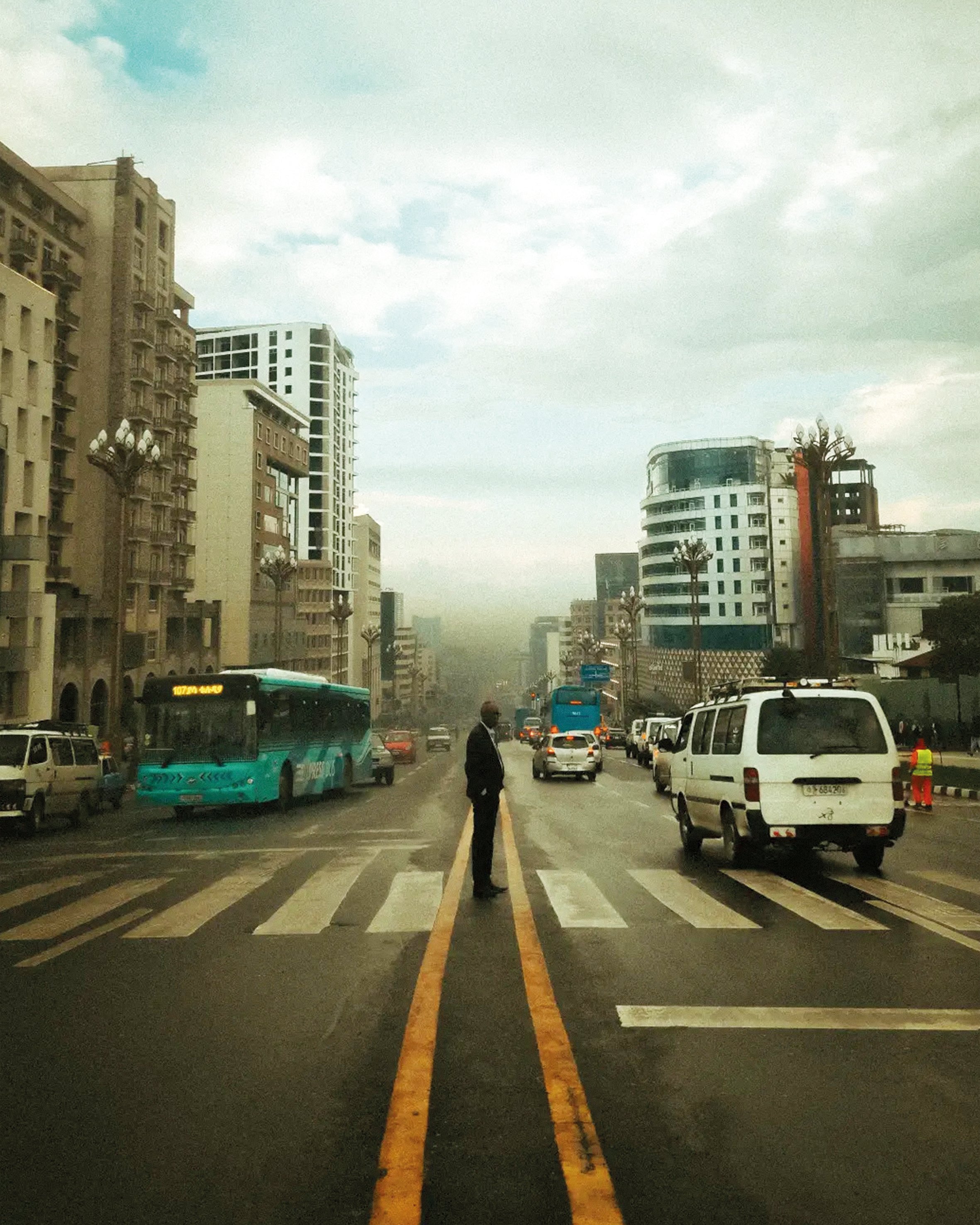
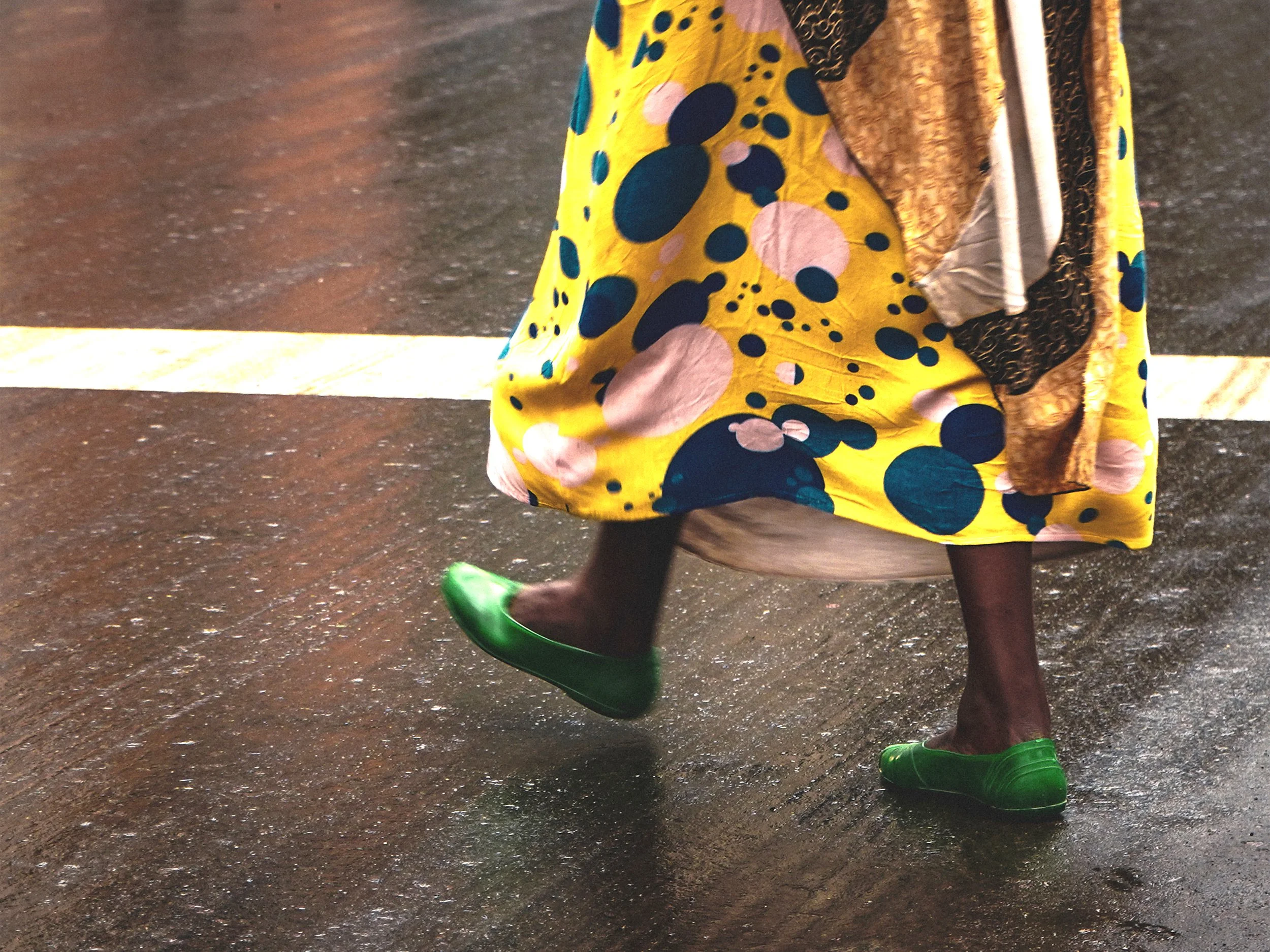
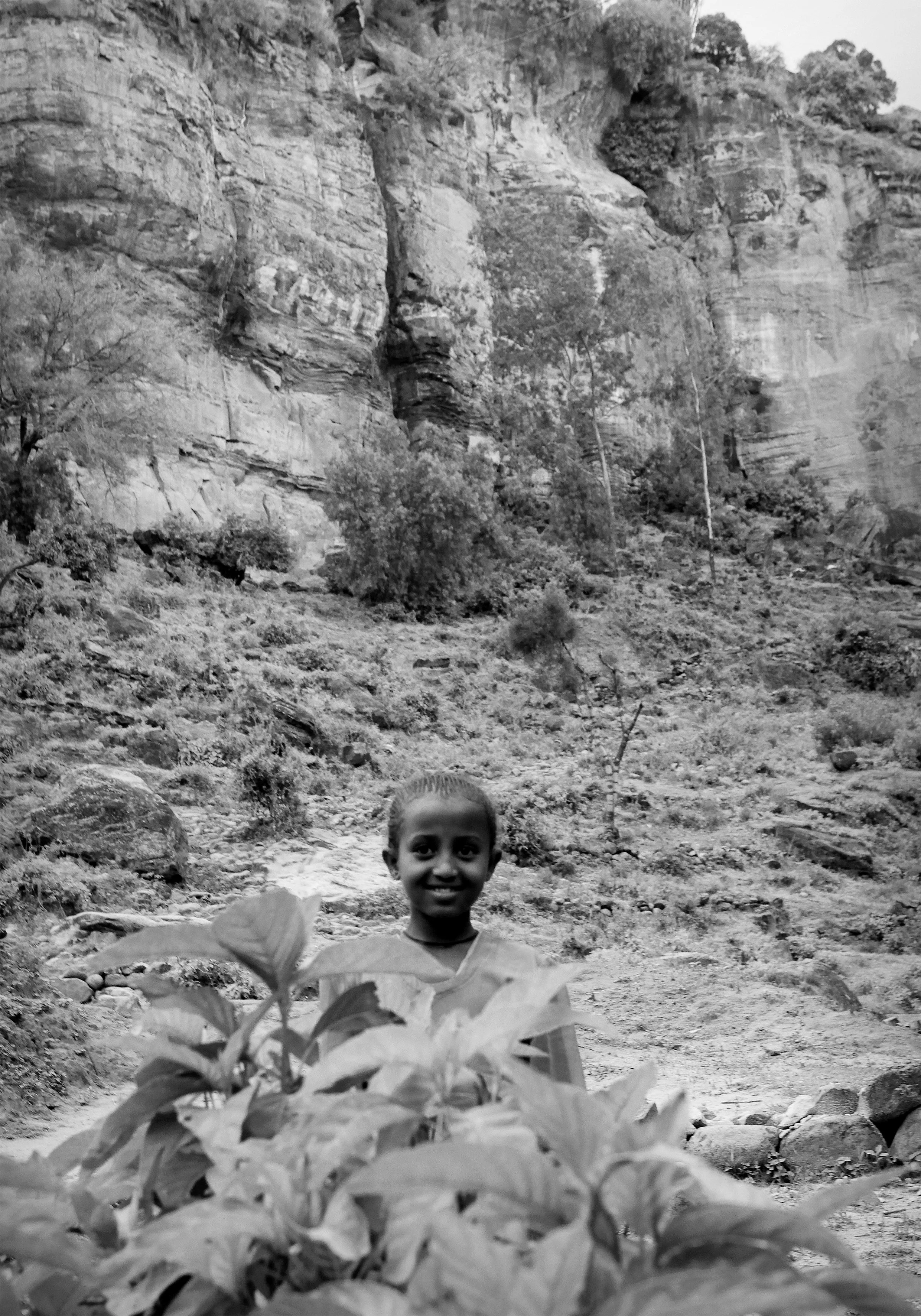
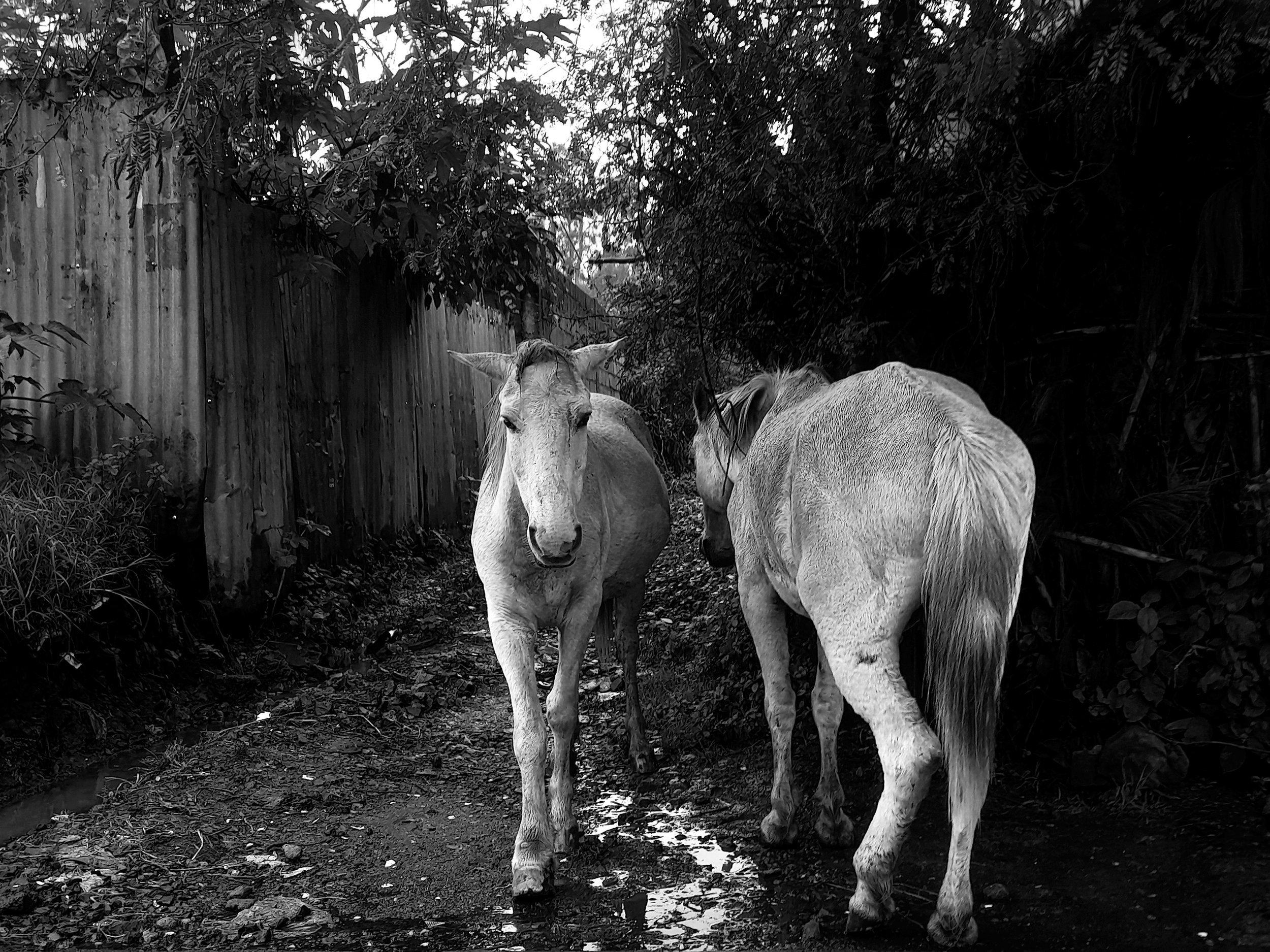
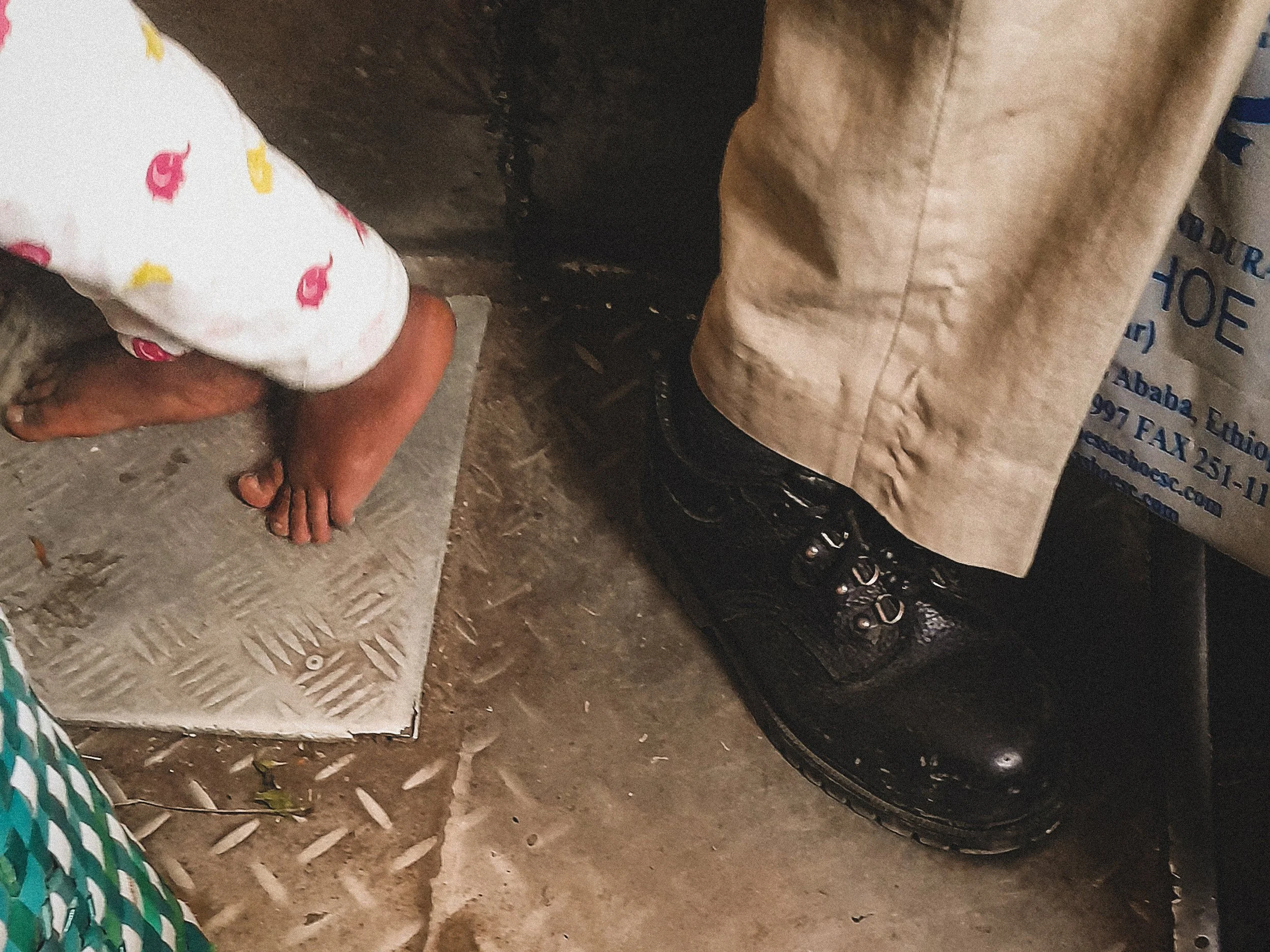
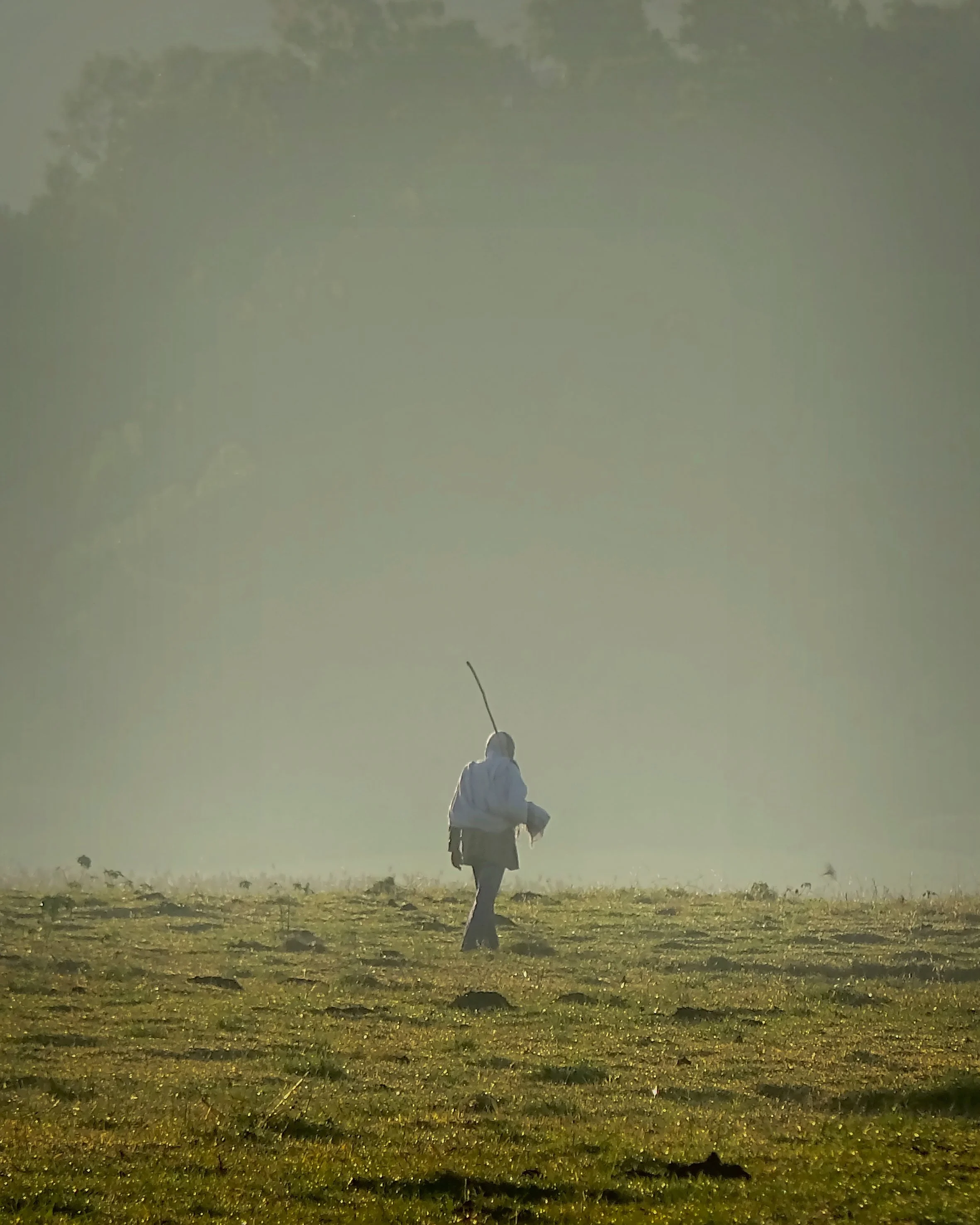
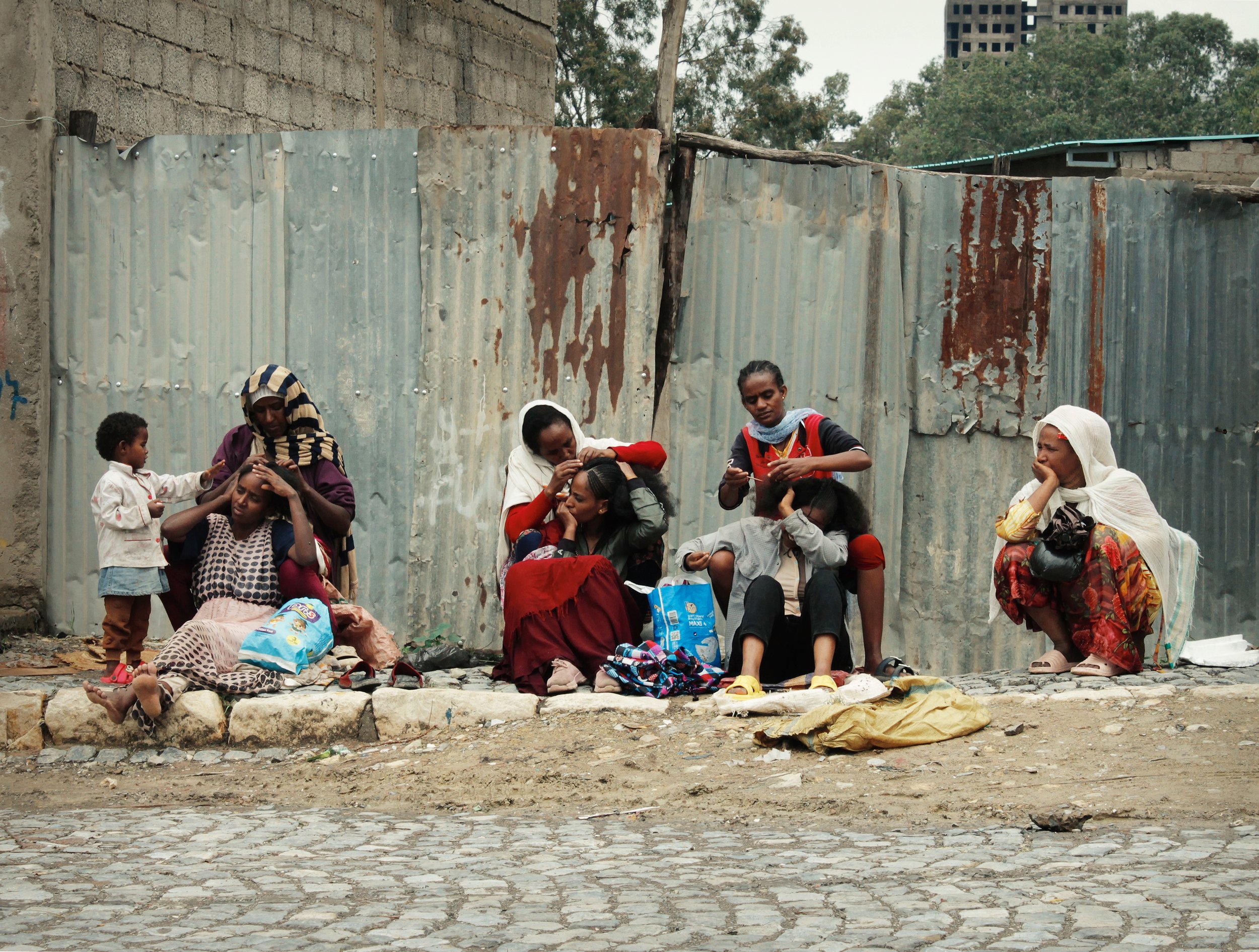
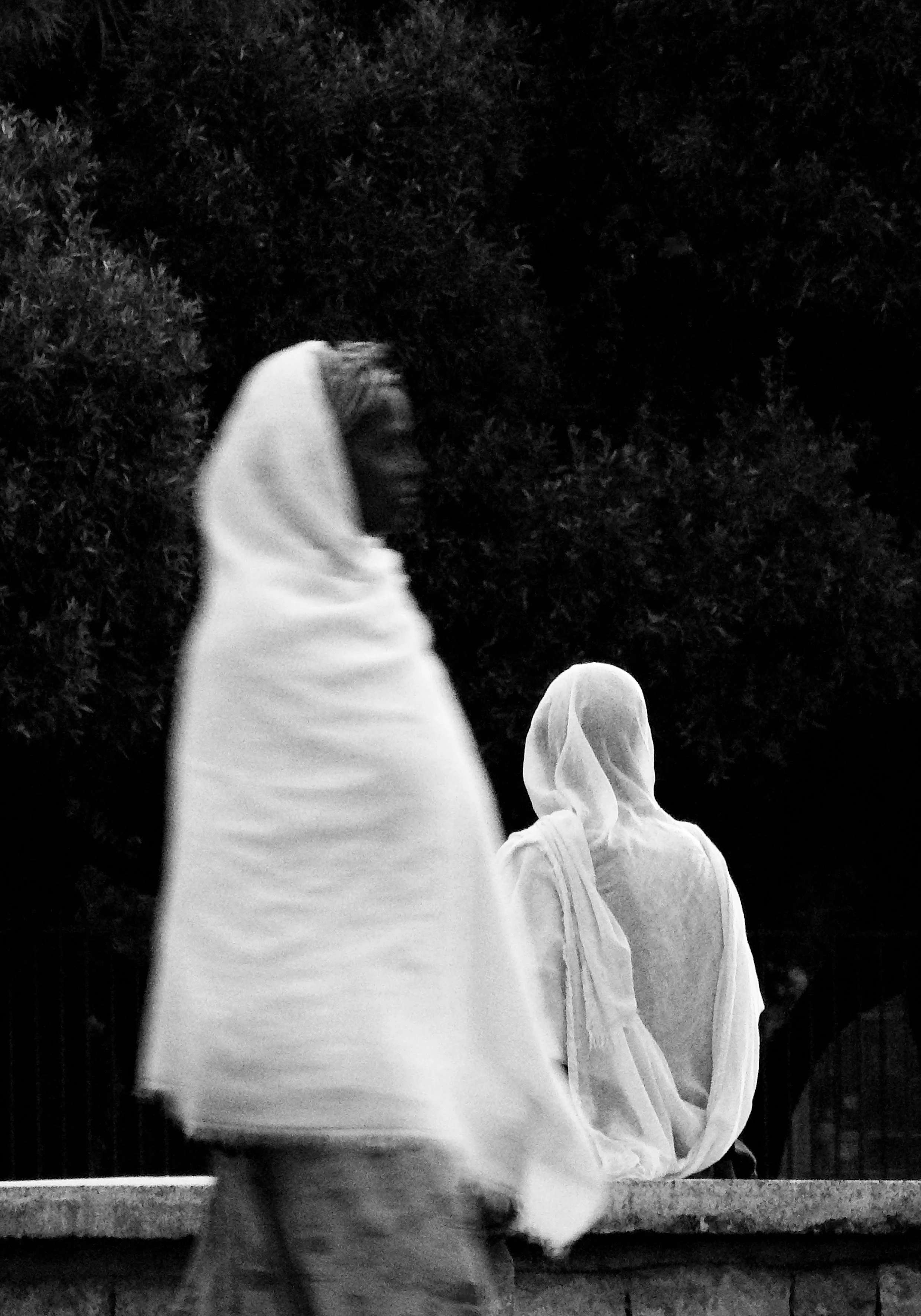
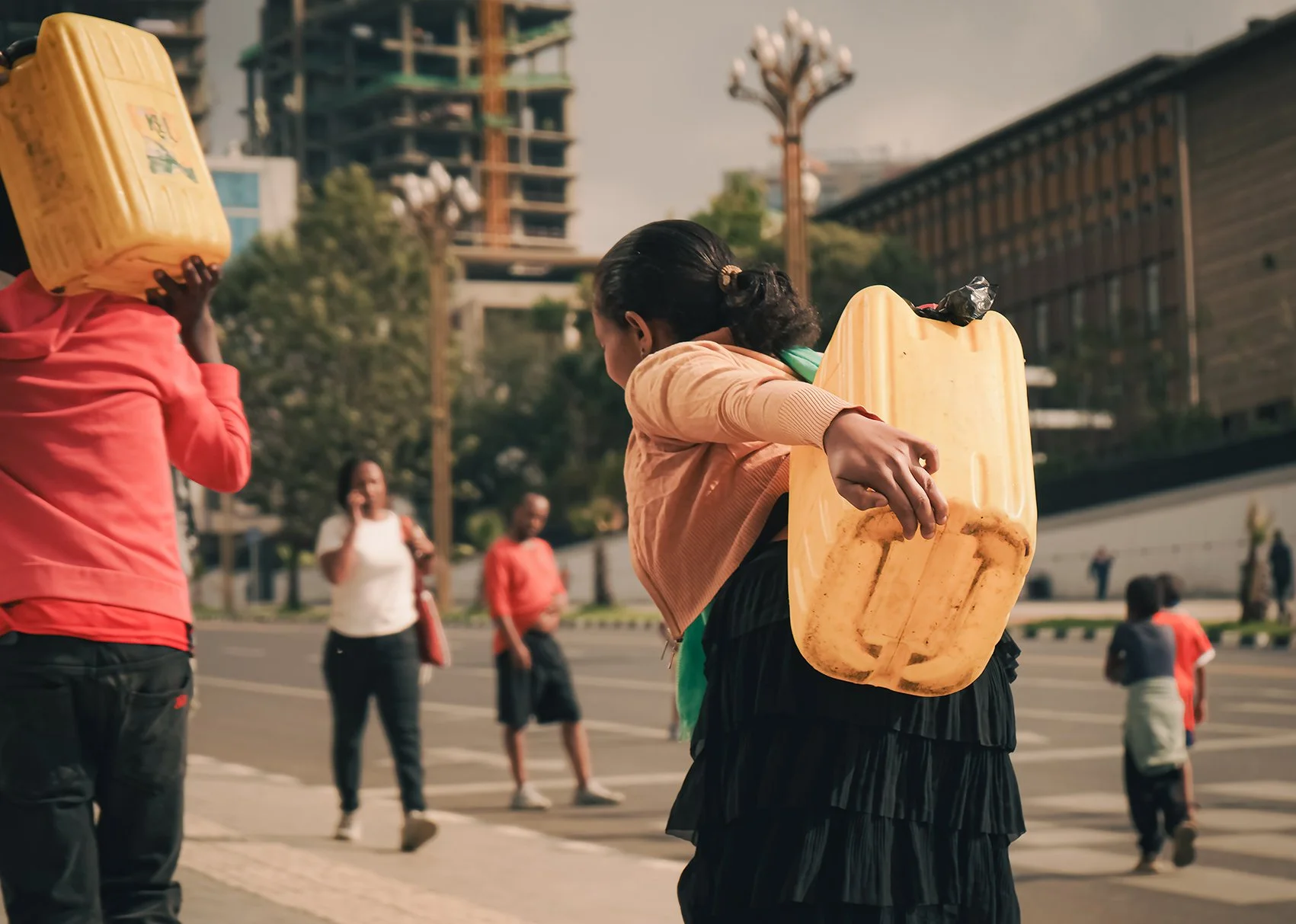
En una tierra donde el espectáculo exotista ha otorgado una identidad visual artificiosa a las imágenes, la idea de presencia que pertenece rompe desde la intimidad de sus fotografías con sus conclusiones. Etiopía ha sido inmortalizada desde la perspectiva de documentar, primero con prismas colonizadores que querían catalogar y dominar un territorio y a sus gentes; y después para capitalizar una cultura y una historia en pro del turismo más consumista, o desde la visión de una cotización de lo africano en un mercado internacional que hace moda de lo anticolonial y de las contranarrativas. La creación de imágenes de reapropiación por parte de quien habita los espacios supone un activismo visual de lo sutil, de la pausa y de la conexión personal que venera las raíces, la tierra, la memoria, primero individual y familiar y después colectiva, y la conexión personal de quien inmortaliza para sí con la idea de preservar. La honestidad es el simbolismo y es el propósito. La belleza de lo que permanece lucha contra el dramatismo de un segundo de guerra o de hambruna, y añade una capa más al relato que explica los eventos entre espacios físicos, temporales y emocionales en la Etiopía natal de las fotógrafas. A través de la fotografía, dan entidad a la reliquia que es su cultura, su vida y su entorno, y hacen figuración de la abstracción que se ha conferido a África como masa informe de fronteras y significados erróneos. Tsion Molla (2003) desde la urbanidad de Addis Abeba, y Frewoyne Gebru (1999) desde la naturaleza de Tigray, componen en esta muestra paisajes interiores y espacios cuyas escenas se desenvuelven sin premura con esencia de pertenencia en una iconografía del misterio que invita a la deducción, a la especulación del contenido y a la fantasía de la reverencia hacia lo propio.
EN
In a land where exotic spectacle has imbued images with an artificial visual identity, the idea of belonging emerges from the intimacy of his photographs through his conclusions. Ethiopia has been immortalized from a documentary perspective, first through the prism of colonizers who sought to catalog and dominate a territory and its people; and later to capitalize on a culture and history for the sake of consumerist tourism, or from the perspective of the market value of “African” culture in an international marketplace that turns anti-colonialism and counter-narratives into fashion. The creation of images of reappropriation by those who inhabit these spaces constitutes a visual activism of subtlety, of pause, and of personal connection that venerates roots, the land, and memory—first individual and familial, then collective—and the personal connection of the one who immortalizes for themselves with the idea of preservation. Honesty is the symbolism and the purpose. The beauty of what remains counters the drama of a moment of war or famine, adding another layer to the narrative that explains the events unfolding across physical, temporal, and emotional spaces in the photographers’ native Ethiopia. Through photography, they give substance to the relic that is their culture, their life, and their environment, and they give form to the abstraction that has been imposed on Africa as a shapeless mass of borders and erroneous meanings.
Tsion Molla (2003), drawing on the urban landscape of Addis Ababa, and Frewoyne Gebru (1999) from the wilderness of Tigray, compose in this exhibition interior landscapes and spaces whose scenes unfold unhurriedly, imbued with a sense of belonging within an iconography of mystery that invites deduction, speculation about the content, and the fantasy of reverence for one’s own.